
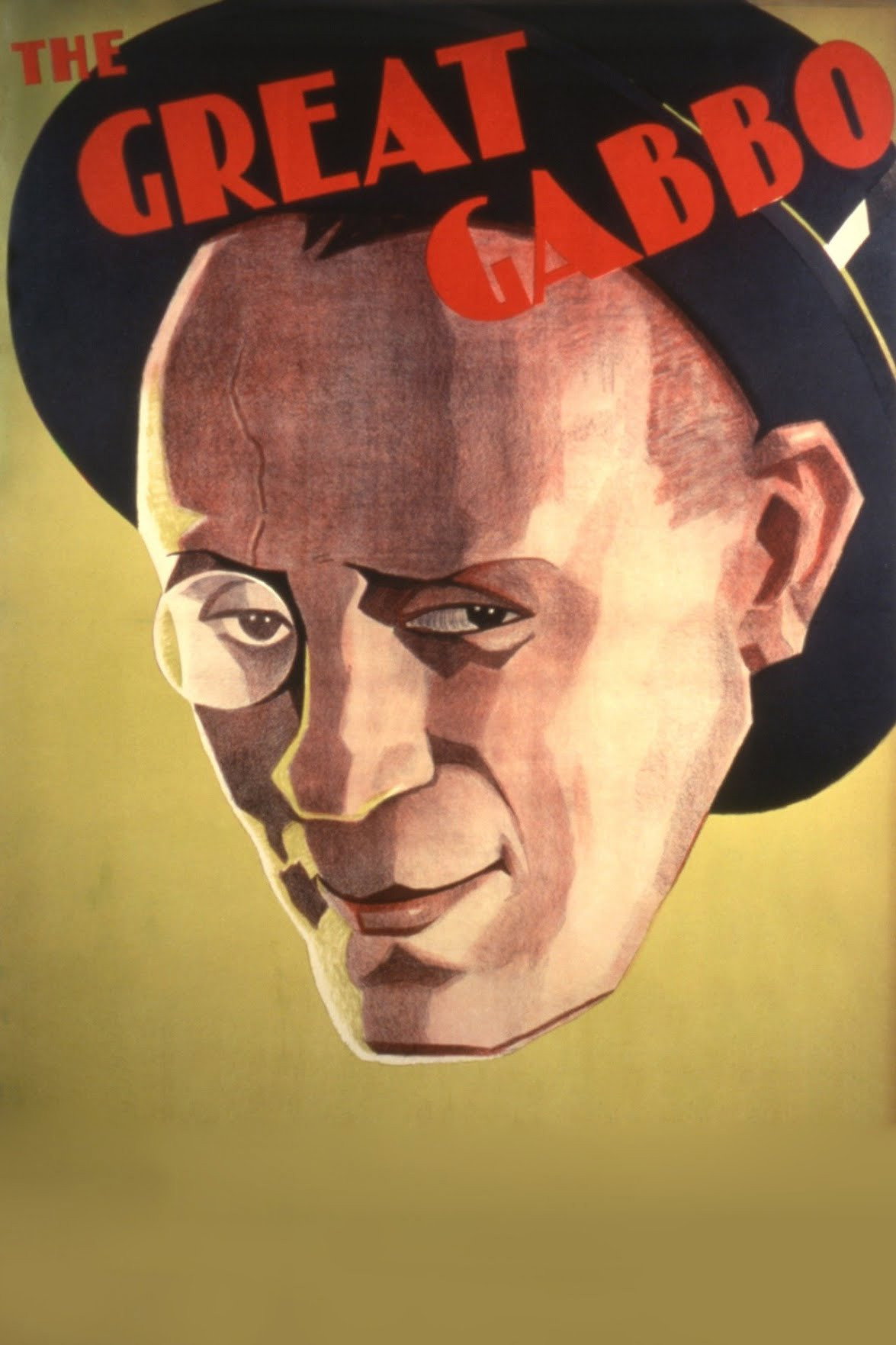
The Great Gabbo
The Great Gabbo is a psychological drama and early sound film directed by James Cruze and starring Erich von Stroheim in one of his most memorable performances. The story follows Gabbo, a brilliant but deeply disturbed ventriloquist whose extraordinary talent is overshadowed by his arrogance, cruelty, and obsessive personality. Gabbo performs with his wooden dummy, Otto, whom he treats almost as if he were a living companion rather than a stage prop. Otto becomes the centerpiece of Gabbo’s act, allowing the ventriloquist to express emotions and thoughts that he would otherwise keep hidden. Behind the impressive performances, however, Gabbo is an intensely controlling and emotionally unstable man who has little understanding of how his behavior affects the people around him. His most important relationship is with Mary, his assistant and former romantic partner. Mary has genuine affection for Gabbo, but she struggles to tolerate his possessive nature and his relentless obsession with perfection. Gabbo is unable to separate his professional ambitions from his personal relationships, and his inability to show tenderness eventually drives Mary away. After Mary leaves him, Gabbo continues his career and eventually achieves greater recognition. His performances become increasingly spectacular, and he develops a reputation as a remarkable entertainer. Yet his success does nothing to resolve the loneliness and emotional instability beneath his public image. Instead, his dependence on Otto becomes stronger, and the boundary between Gabbo and his puppet begins to blur. As Gabbo's career progresses, Otto appears to function almost like a second personality. Through the dummy, Gabbo can express jealousy, anger, affection, and resentment while maintaining the illusion that these emotions belong to someone else. The relationship between performer and puppet therefore becomes a disturbing reflection of Gabbo's own fractured personality. When Gabbo encounters Mary again, he is forced to confront the consequences of his past behavior. Mary has moved on with her life, while Gabbo remains trapped in the world of his performances and fantasies. His inability to accept rejection and his growing emotional dependence on Otto push him toward a personal and psychological breakdown. The film explores the dark side of entertainment and celebrity, portraying an artist whose extraordinary professional ability cannot compensate for his inability to form healthy human relationships. The Great Gabbo is ultimately a story about loneliness, obsession, pride, emotional manipulation, and the dangerous relationship between an entertainer and the persona he creates. With its combination of psychological drama, theatrical spectacle, romance, music, and early talking-picture technology, the film is also an interesting document of the transition from silent cinema to sound. Erich von Stroheim's intense performance gives Gabbo an unsettling presence, while Otto becomes more than a simple ventriloquist's dummy: he serves as a symbolic representation of Gabbo's hidden emotions and increasingly troubled mind.
- 1929
- 1 h : 34 min
- 7 views
-
5.667

Recommended
Starring
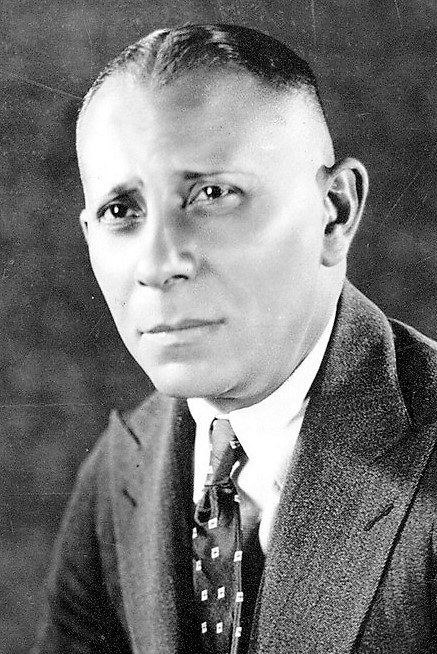
Erich von Stroheim
- Gabbo
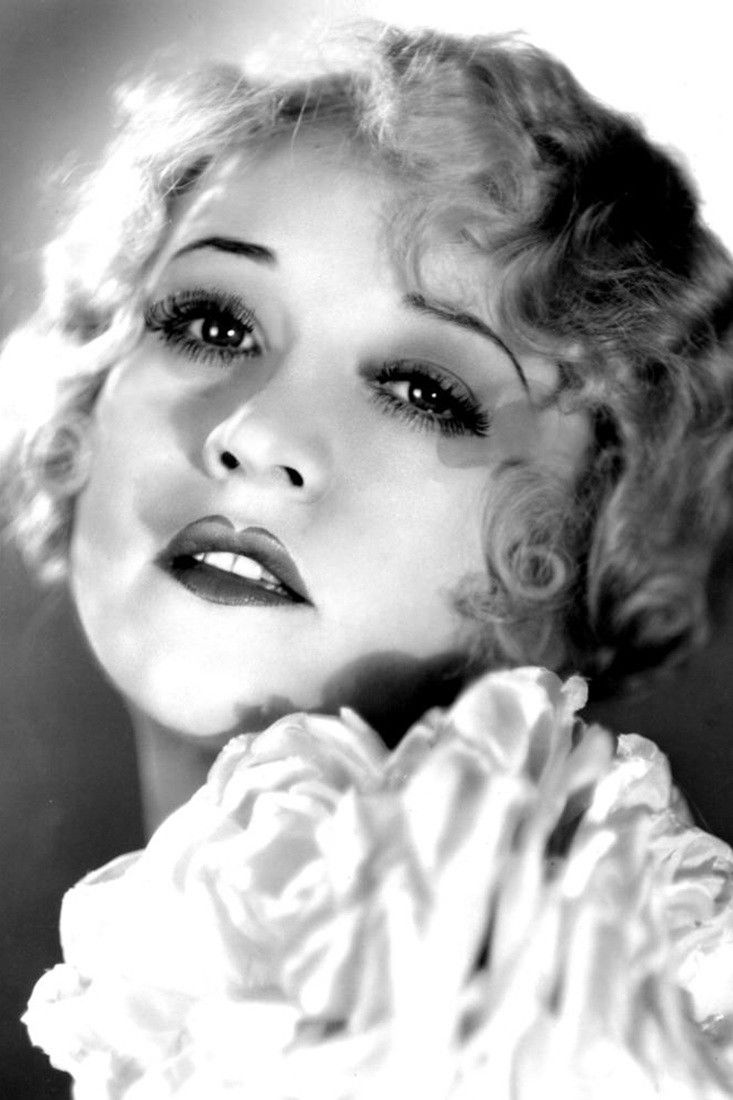
Betty Compson
- Mary

Donald Douglas
- Frank
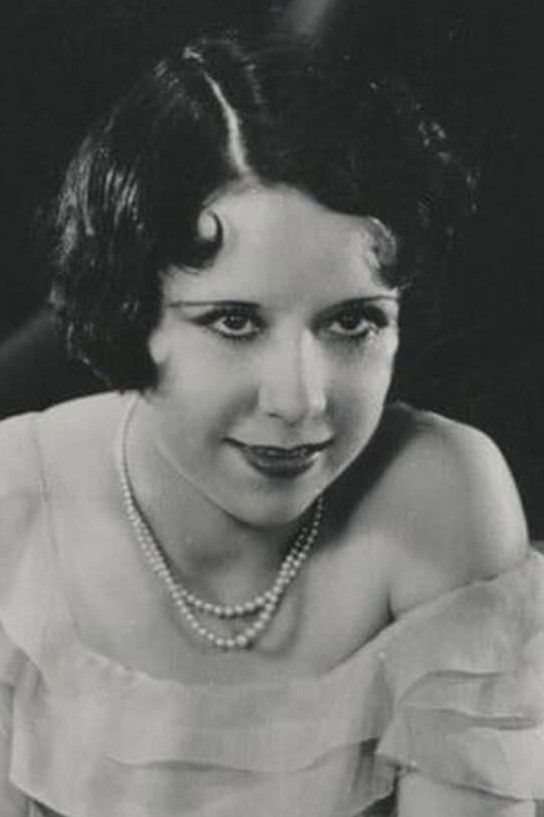
Marjorie Kane
- Babe
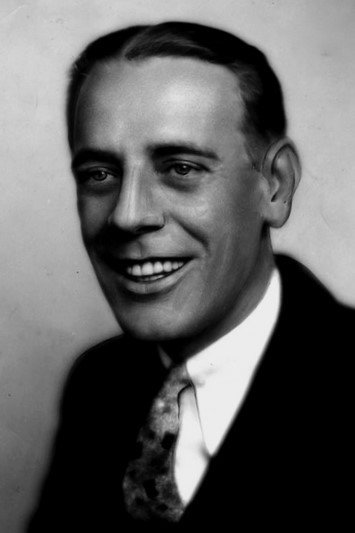
Earl Burtnett
- Orchestra Leader

George Grandee
- Otto (voice) (uncredited)
Bo Peep Karlin
- Dancer (uncredited)
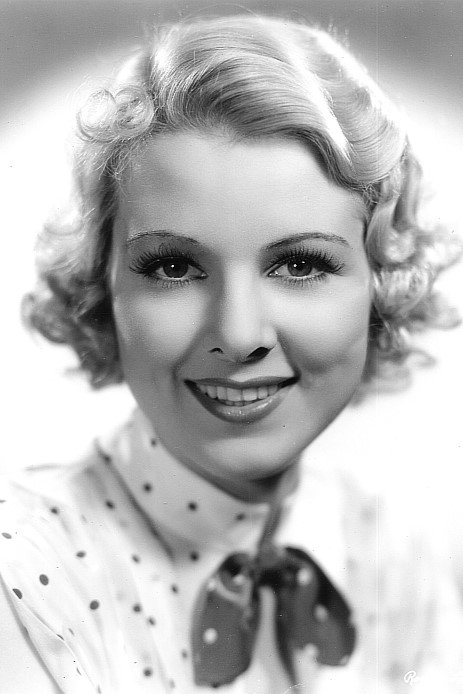
Rosina Lawrence
- Dancer (uncredited)
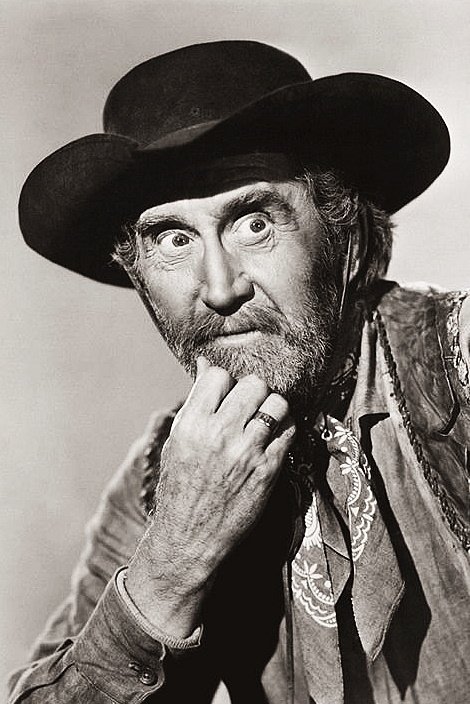
Eddy Waller
- Vaudevillian (uncredited)

Add Review
You have to Sign In to share the review